Which Suicideboys Type Beat Fits Your Track Best and Why Mask Turn Is the Pick for Dark, Hard Underground Rap
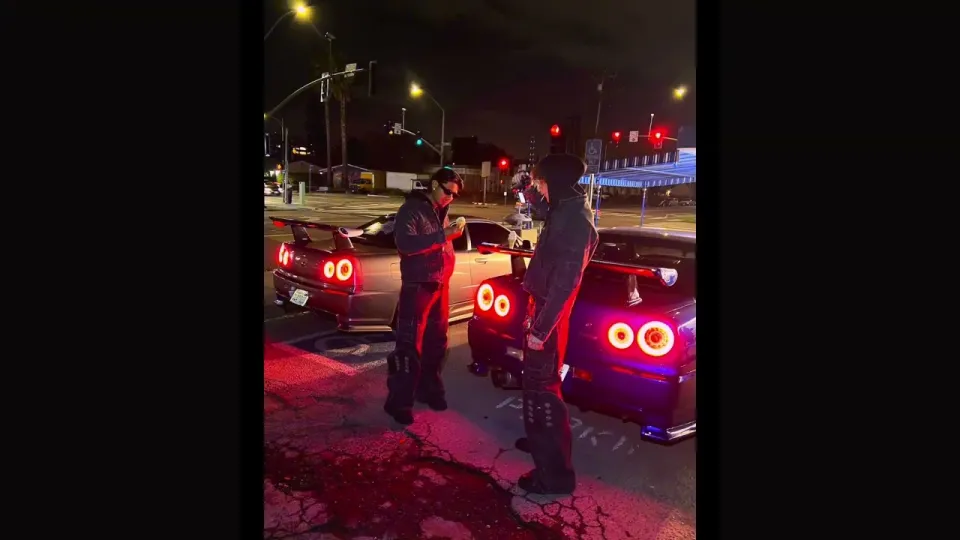
Video: SUICIDEBOYS TYPE BEAT - "MASK TURN"
· based on the channel Bayro
A Suicideboys type beat is a dark, sample-driven underground rap instrumental built around minor-key melodies, heavy 808s and a slow-to-mid tempo pocket, and "MASK TURN" by producer Bayro is a clean example at 136 BPM. You can license it directly through the BeatStars purchase page for "MASK TURN", which is the fastest route if you plan to release a track commercially. The beat is free for non-profit use only, so the license choice depends entirely on whether you intend to monetize.
What a Suicideboys type beat actually contains
A Suicideboys type beat is defined less by one sample and more by a mood: haunted loops, tape-saturated textures and drums that sit slightly behind the beat. The $uicideboy$ catalog — the duo of Ruby da Cherry and $crim, active since the mid-2010s out of New Orleans — pulls from Three 6 Mafia-era Memphis rap, cloud rap haze and lo-fi horrorcore, and producers copying that formula usually stack three elements.
- A melodic loop, often a pitched-down guitar, piano or vocal chop, usually in a minor key.
- 808 bass that carries the low end and doubles as the melody in the hook.
- Trap hi-hats with rolls and triplet patterns, plus a snare or clap that lands hard on the backbeat.
At 136 BPM, "MASK TURN" sits in the standard range for this style — fast enough for double-time flows, slow enough that a lazy, half-sung delivery still locks in. That tempo also makes it easy to switch between a whispered verse and an aggressive, shouted hook without the beat feeling wrong underneath either one.
How Mask Turn is built and who it suits
"MASK TURN" is a hard, dark type beat aimed at rappers working the $uicideboy$, Scrim, Bones and cloud rap lanes. The title and tag set point at the same audience: artists who want a beat that feels cold and menacing rather than melodic and radio-friendly.
Practically, that means the beat rewards a few specific approaches:
- Whispered or deadpan verses. The low-energy delivery that dominates underground rap sits naturally over this kind of loop.
- Ad-lib-heavy hooks. Short, repeated phrases with layered ad-libs work better than long melodic runs.
- Distorted vocals. Light clipping or tape saturation on the vocal chain matches the lo-fi character of the instrumental.
- Horror-rap or Memphis-style subject matter. The genre's lyrical territory — paranoia, excess, nightlife, isolation — fits the mood without forcing it.
It is less suited to clean, pop-leaning hooks or fast technical rapping, because the space in the arrangement is designed for a vocal that stays loose.
Licensing, credit and what "free" means here
The beat is free for non-profit use only, and any upload must credit the producer in the title as [prod. Bayro]. That covers SoundCloud demos, practice tracks and non-monetized YouTube uploads, but it does not cover Spotify distribution, paid streams or any release where money changes hands.
If you plan to monetize, buy the license through the BeatStars page for "MASK TURN" before you release. The producer's store also runs a buy 2 get 1 free promotion, which matters if you are building an EP rather than a single — three beats from the same catalog keep a project sonically consistent, and consistency is a big part of why underground tapes sound cohesive.
A few practical rules for the free tier:
- Put [prod. Bayro] in the track title, not just the description.
- Keep the upload non-monetized and do not put it behind a paywall.
- Do not register the beat with a content ID system as your own.
- Buy the license before any distribution to streaming platforms.
Mixing a vocal over a dark underground beat
A dark type beat leaves a lot of mid-range space, and the most common mistake is filling it with too much vocal processing. Start with a clean recording, then shape the vocal to sit inside the beat rather than on top of it.
- Cut, don't boost. Remove mud around 200–400 Hz on the vocal before adding any brightness.
- Use saturation instead of heavy compression. Tape or tube saturation gives the grit that matches the beat's texture.
- Keep the 808 clear. Sidechain the vocal bus lightly or carve a narrow dip where the bass fundamental sits.
- Double the hook, not the verse. Stacked takes on the chorus create width; stacked verses usually just create phase problems.
- Reference at low volume. Underground beats are dense in the low end, and low-volume checks reveal whether the vocal is actually intelligible.
Because the arrangement is sparse, small moves are audible. A single delay throw on the last word of a line does more work here than a full effects chain.
Common questions from producers and rappers
The questions that come up most around beats like this one are about usage rights and fit, not about the beat itself. The short version: check the tempo and key before writing, confirm whether your release is monetized, and credit the producer in the title if you use the free version.
One recurring point of confusion is the difference between "free type beat" and "free for profit." A free download is not a license to sell. Another is credit placement — producers who search for their tag want it in the title so it shows up in searches and in YouTube's metadata, which is why the requirement is stated so plainly in the description.
A third is tempo drift: if a beat is tagged at 136 BPM, writing at 136 keeps the grid aligned, and writing at 140 or 132 will force you to time-stretch or accept a slightly off-grid feel. Check before you record, not after.
Useful links
- Purchase and license "MASK TURN": https://bsta.rs/ZjlHbT
- Full beat catalog: https://bayrodoit.beatstars.com/
- Instagram: https://www.instagram.com/bayrodoit/
- Telegram group: https://t.me/bayrodoit
Final take
"MASK TURN" is a straightforward, hard-hitting Suicideboys type beat at 136 BPM that does one thing well: it leaves room for a cold, low-energy vocal and stays out of the way. The licensing is clearly stated — free for non-profit with a [prod. Bayro] credit in the title, paid license for anything monetized — so there is no ambiguity about what you can do with it. If you are building a dark underground track and want a beat that matches the $uicideboy$, Bones and cloud rap aesthetic without sounding like a copy, this is a sensible starting point. The breakdown above comes from Bayro, the producer behind the beat and the channel that published it, so the specs and terms reflect the source directly. Grab the license through the purchase link before you release, and check the rest of the catalog if you need more than one.
Key takeaways
- Mask Turn by Bayro runs at 136 BPM and is built for Suicideboys-style dark underground rap.
- The beat is free for non-profit use only, with credit [prod. Bayro] required in the title.
- A commercial license is available through BeatStars, and the catalog runs a buy 2 get 1 free offer.
- The tag set spans $uicideboy$, Scrim, Bones, cloud rap and Memphis-style underground beats.
- The full beat store and social contacts are listed in the video description for direct outreach.
Questions & answers
Can I use this Suicideboys type beat for free on Spotify?
No. The beat is free for non-profit use only, which excludes distribution to streaming platforms and any monetized release. For Spotify, Apple Music or any paid release you need to purchase a license through the BeatStars page linked in the description, and the buy 2 get 1 free offer applies if you need multiple beats.
How do I credit the producer correctly?
The requirement is to credit in the title as [prod. Bayro], not only in the description. That keeps the producer's tag visible in searches and metadata, which is the standard practice for free type beats in the underground rap scene.
What tempo and style should I expect from a beat like Mask Turn?
Mask Turn runs at 136 BPM, which sits in the normal range for Suicideboys-style underground rap and works for both double-time flows and laid-back, half-sung delivery. The style leans dark, hard and sample-driven, closer to Memphis rap and cloud rap than to melodic trap.
Is it worth buying several beats from the same producer?
Often yes, because a project built from one producer's catalog sounds more consistent in mixing, drum character and mood. The store's buy 2 get 1 free promotion makes it cheaper to lock in three beats for an EP instead of shopping across multiple producers.
Source: SUICIDEBOYS TYPE BEAT - "MASK TURN" · Markdown version